
What is an Equine Behaviorist?
Animal behaviorists study behavior in the wild, in the lab, and in the barn. Equine behaviorists help determine why horses do some of the things they do, and what certain behaviors tell us about the way they think and feel. For example:
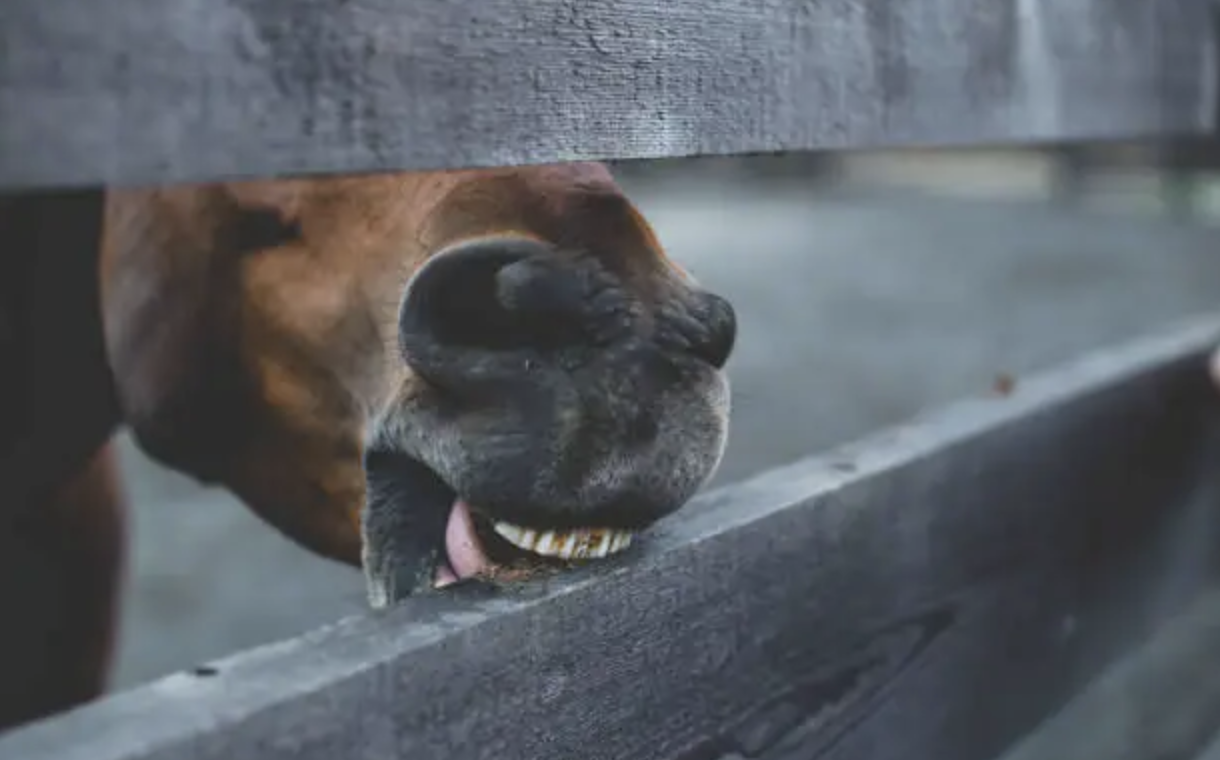
- Why horses develop vices (known as stereotypies) like cribbing or weaving
- How your training methods affect a horse’s emotional state and their ability to learn
- How housing, social contact, and management influence wellbeing
We also study the interactions between horses and their humans. The training of a horse requires a high degree of human interaction. Making sure that horse owners and trainers are using humane, scientifically sound training practices is a priority for the equine behaviorist.
The best part about working with a behaviorist is that they are there to help your horse and you. Not only do we explain what’s happening in your horse’s mind, we help you make small changes to your everyday handling and training practices that result in happier, safer, and better performing horses. We are here not to judge, but to support and teach. Every behavioral engagement is a team effort, focusing on simple and effective methods that are based on science, not just tradition or opinion.
If you want to know your horse better, contact an equine behaviorist before you contact an “animal communicator”. While we never want to dismiss the magic of the energy and spirit that connects us to the animal world, metaphysical communication is just not a reliable method for assessing an animal’s thoughts or emotions. Thankfully, we have a ton of science that is, so if you need some guidance about your horse, don’t be afraid to reach out to a behaviorist; we love to share our insights and the fascinating science of equine behavior. -HGH